



SS7 Attacks: What They Are and What They Can Do
SS7 (Signalling System 7) is the system mobile networks use to route calls and messages.
It was built without strong security — and that means it can be abused.
With SS7 access, attackers can:
- Track a phone’s location
- Intercept SMS messages (including 2FA codes)
- Listen to phone calls
- Redirect calls and texts
- Access subscriber data
What are SS7 Attacks?
SS7 attacks are a type of telecom hacking that exploit weaknesses in the SS7 protocol used by mobile networks.
By abusing the SS7 network, attackers can intercept, manipulate, or redirect communication between users and telecom systems.
These attacks are known for enabling things like account access, message interception, and call control through the network itself rather than the device.
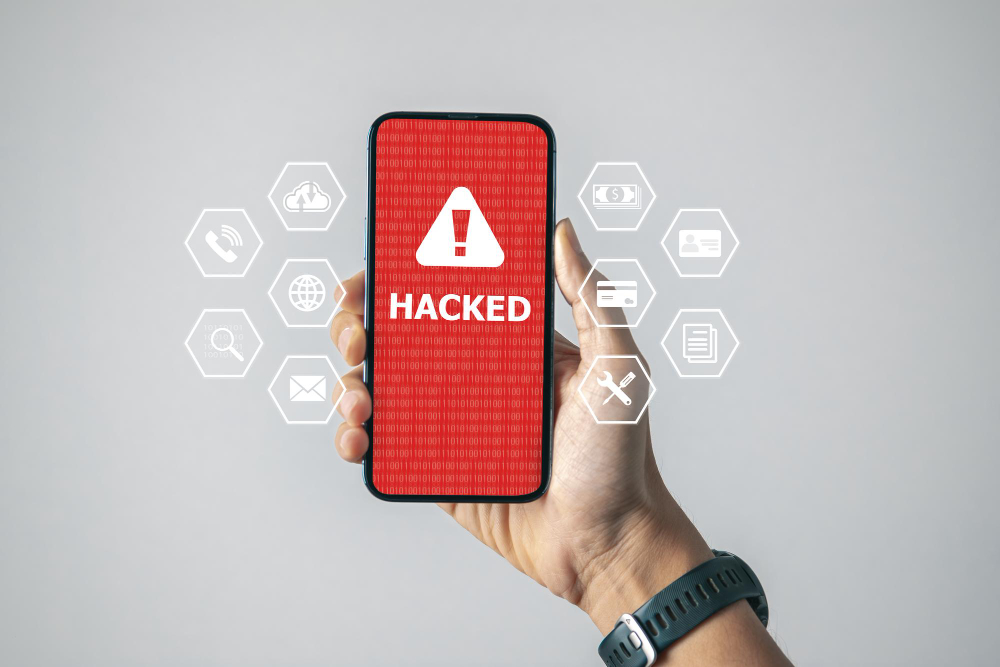
SS7 Hacking
SS7 hacking means using weaknesses in the SS7 network to interact directly with mobile systems. Instead of attacking a phone, it targets how telecom networks communicate. By sending requests that look valid, an attacker can make the network respond as if they are trusted. This works because SS7 was not built with strong security in mind.
SS7 SMS INTERCEPT
SS7 SMS intercept refers to using SS7 vulnerabilities to capture text messages as they pass through the network. By redirecting SMS traffic, an attacker can receive messages intended for someone else. This can include login codes, alerts, and private communication. It works because the SS7 network trusts requests without properly verifying them.
SS7 Call intercept
SS7 call intercept allows attackers to listen to phone calls or redirect them through another number using SS7 network access. By sending commands through the signalling system, calls can be silently forwarded or routed without the user knowing. This makes it possible to monitor conversations or take control of how calls are handled.
ss7 LOCATION TRACKNG
SS7 location tracking allows attackers to find where a mobile phone is by querying the SS7 network. By sending requests to the signalling system, they can get the device’s current network location. This can reveal the user’s approximate position in real time. It works because the SS7 protocol accepts these requests without strict checks.
SS7 Vulnerabilities
SS7 and Facebook Accounts
SS7 can be used to take control of Facebook accounts by abusing phone-based account recovery. By accessing verification messages, an attacker can reset passwords and gain full access to the account.
SS7 and WhatsApp
SS7 can be used to take control of WhatsApp accounts by abusing phone number verification. This works through SS7 attacks, where verification codes can be received on another device, allowing the account to be activated elsewhere.
SS7 and Telegram
Telegram login relies on SMS or call-based verification. By redirecting these verification steps, an attacker can gain access to accounts without needing the original device.
SS7 and Banking / Financial Accounts
Many financial services still use SMS for login verification. SS7 attacks can be used to receive these codes, allowing unauthorized access to accounts and transactions.
SS7 and Email Accounts
Email providers that use phone-based recovery can also be targeted. By controlling verification messages, an attacker can reset passwords and lock out the original user.